
Neuroscience

Loading ...

See more ratings.


Comprehensive neurological care designed to diagnose, treat and restore — from routine neurological concerns to the most complex brain, spine and nervous system conditions.
Find a Provider
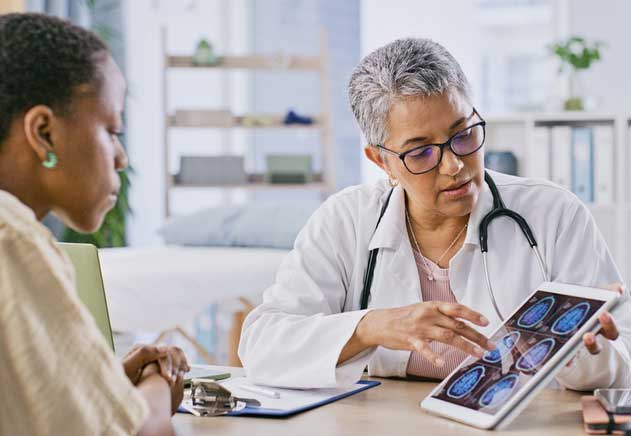
doctor reviewing brain scan

Comprehensive Brain, Spine and Nervous System Care

Mount Carmel’s neurosciences program delivers comprehensive care for a wide range of neurological conditions, from common disorders to complex brain and spine cases. Our multidisciplinary team uses advanced diagnostics and specialized treatment options to support better outcomes and faster recovery.

With a focus on collaboration, innovation and personalized care, Mount Carmel’s neuroscience specialists partner closely with patients and families to improve function, enhance quality of life and support healing at every stage.

Our specialists deliver expert treatment across major neuroscience specialties, including neurology, neurosurgery, neurointerventional services, pain management, spine care, stroke care and neurological rehabilitation.
 

Our Neuroscience Services


Neurology

Mount Carmel neurologists provide expert care for a wide range of neurological conditions affecting how you think, move and function. Our team offers thorough evaluations, advanced diagnostic services, personalized treatment plans and close coordination with neurosurgery, rehabilitation and specialty care to support every stage of treatment.
Learn More

Neurosurgery

Mount Carmel’s expert neurosurgery team provides state-of-the-art neurosurgical care for a wide variety of cranial disorders, including stroke, brain aneurysms and brain tumors, as well as simple and complex surgical treatments for spinal cord diseases and injuries, from tumors, herniated discs and degenerative disc disease to arthritis of the spine.
Learn More

Neurological Rehabilitation Services

The goal of any rehabilitation program is to get you back to doing the things you love as quickly and fully as possible — and that’s especially true when you’re recovering from or managing a brain or spine condition. Mount Carmel’s neurological rehabilitation program is designed to help patients regain function, independence and confidence following stroke, brain injury, spinal cord injury or other neurological conditions.
Learn More

Neurointerventional Services

Mount Carmel Neurointerventional Services provides minimally invasive, image-guided treatments for conditions of the brain and spine, including acute stroke and complex vascular disorders. Using advanced imaging and catheter-based techniques, our specialists deliver targeted therapies while collaborating closely with neurology, neurosurgery and rehabilitation teams to support optimal outcomes.
Learn More

Pain Management

Our approach to pain management is comprehensive. We focus not only on your symptoms, but also on you as a whole and your goals for pain management and relief. We work together, alongside your primary care provider, to create an individualized evidence-based treatment plan to help manage or relieve your pain.
Learn More

Spine Care

Spine issues can affect people in very different ways, and effective spine care treatment requires more than a one-size-fits-all approach. Mount Carmel’s Spine Program is a one-stop shop to help patients find the right treatment for back, neck and spine pain.
Learn More

Stroke

Stroke is a serious, time-sensitive medical emergency and one of the leading causes of long-term disability in the United States. At Mount Carmel, we are deeply committed to stroke prevention, rapid diagnosis and advanced treatment — because every minute matters when it comes to protecting brain health. Our stroke team provides evidence-based care using advanced imaging, minimally invasive interventions and comprehensive rehabilitation services. From emergency response to recovery and ongoing risk reduction, we’re here to help patients get back to life as quickly and fully as possible.
Learn More


Conditions We Treat

Mount Carmel’s neuroscience specialists diagnose, treat and manage a wide range of conditions affecting the brain, spine, nerves and nervous system. Care is coordinated across neurology, neurosurgery, neurointerventional services, pain management, spine care, stroke care and neurological rehabilitation.

Conditions treated may include:

  • Stroke and TIA
  • Epilepsy and seizure disorders
  • Headaches and migraines
  • Parkinson’s disease and movement disorders
  • Memory and cognitive disorders
  • Multiple sclerosis
  • Neuropathy and neuromuscular disorders
  • Brain tumors
  • Spinal tumors
  • Brain aneurysms
  • Arteriovenous malformations
  • Traumatic brain injuries
  • Spinal cord injuries
  • Herniated discs
  • Degenerative spine disorders
  • Spinal stenosis
  • Sciatica
  • Chronic neck and back pain
  • Nerve compression disorders
  • Balance and mobility concerns
     

Health Risk Assessment

Each year, more than 795,000 Americans suffer a stroke. That’s one stroke every 40 seconds. And with more than 137,000 deaths per year, strokes are our nation’s fourth-leading cause of death. Are you at risk for stroke?

Take our assessment.

Spotting the Stroke Podcast

In this episode of Wellness in Reach, Dr. Blase Hennessy breaks down the signs and symptoms of stroke and explains what they can look like in real life. Learn the common and less obvious warning signs, why they’re often overlooked, and when to seek emergency care. Recognizing stroke early can save lives.

need to get podcast video

Managing Back Pain

Back pain is one of the most common reasons people seek medical attention. Dr. DanaMarie Aminian explains the benefits of using Mount Carmel’s Spine Program when experiencing back pain and back/neck issues. It’s a one-stop shop for spine care, designed to make your treatments easier and faster. Talk to your primary care physician about getting a referral today!


Health Matters: Sciatica Pain Management

It's essential for individuals experiencing sciatica to consult with a healthcare professional for a proper diagnosis and guidance on which treatment options are best suited for your specific condition.

In this NBC4 Health Matters segment, Dr. DanaMarie Aminian & Dr. Justin Drummond discuss sciatica treatment options...because health matters for all of you!

Signs and Symptoms of Stokes

It’s more common than we’d like to think, someone in this country suffers a stroke every 40 seconds. That staggering frequency makes strokes a major health concern. Today, Dr. Blase Hennessy from Mount Carmel joins us to talks signs and symptoms so we know what to look for.

Mount Carmel Neurosciences Awards & Recognition

Mount Carmel East is recognized as a Comprehensive Stroke Center — the highest level of stroke certification available — by The Joint Commission and American Heart Association/American Stroke Association. Mount Carmel East also has an accredited Level 3 Epilepsy Center through the National Association of Epilepsy Centers.

Mount Carmel East is home to the Mount Carmel East Trauma Center, where teams quickly assess and stabilize patients with brain or spine trauma to give them the best chance of recovery.

Mount Carmel Grove City and Mount Carmel St. Ann’s have coordinated rapid response systems in place for treating stroke patients and have earned Joint Commission Primary Stroke Center Certification.

Frequently Asked Questions

Neurosciences is the area of medicine focused on the brain, spine, nerves and nervous system. At Mount Carmel, neurosciences includes care across neurology, neurosurgery, neurointerventional services, pain management, spine care, stroke and neurological rehabilitation.

Mount Carmel treats a wide range of brain, spine and nervous system conditions, including stroke, epilepsy, multiple sclerosis, migraines, neuropathy, Parkinson’s disease, brain and spine tumors, spinal stenosis, herniated discs, chronic pain and neurological injuries.

Neurology focuses on diagnosing and managing conditions of the brain, spine, nerves and nervous system, often without surgery. Neurosurgery focuses on surgical treatment for certain brain, spine and nerve conditions when surgery is appropriate.

Neurointerventional care uses minimally invasive, image-guided techniques to diagnose and treat complex brain, spine and vascular conditions, including stroke, brain aneurysms and vascular malformations.

You may need a neuroscience specialist if you have symptoms such as seizures, new or worsening headaches, numbness, weakness, memory changes, balance problems, chronic spine pain or signs of stroke.

Common signs of stroke include face drooping, arm weakness and speech difficulty. Stroke is a medical emergency, and patients should seek emergency care immediately if stroke symptoms occur.

Neurological rehabilitation helps patients recover function, mobility, communication, independence and confidence after a neurological illness or injury, such as stroke, brain injury or spinal cord injury.

Yes. Mount Carmel’s Spine Program helps patients find the right treatment for back, neck and spine pain, including non-surgical care, pain management strategies and surgical options when appropriate.

You may benefit from seeing a neuroscience specialist if you have symptoms or conditions affecting the brain, spine, nerves or nervous system. Depending on your symptoms, your care may begin with neurology, neurosurgery, pain management, spine care, stroke care or neurological rehabilitation.

Consider speaking with a provider if you experience:

  • New or worsening headaches
  • Seizures
  • Numbness, tingling or weakness
  • Changes in balance or coordination
  • Memory or cognitive changes
  • Chronic neck or back pain
  • Pain that travels into the arms or legs
  • Symptoms of stroke, such as face drooping, arm weakness or speech difficulty
  • Difficulty walking, speaking or completing daily activities after a neurological illness or injury


Find a Provider


Provider Ratings

The following ratings and reviews are based on verified feedback collected from independently administered patient experience surveys. The ratings and comments submitted by patients reflect their own views and opinions. Patient identities are withheld to ensure confidentiality and privacy. Learn More >


Loading ...


Loading ...